Core Aeration for Compacted Derby and Wichita Lawns
Compaction can make it harder for water and air to move into the root zone. It often develops in high-traffic areas, along regular walking routes, or where equipment repeatedly crosses the lawn. The result may be hard soil, thin turf, or water that runs across the surface instead of soaking in.
Core aeration removes small plugs from the lawn to create openings in the soil. Overseeding adds grass seed to existing turf and may be recommended when the lawn is thin as well as compacted. The two services can be planned together, but they solve different problems and do not need to be paired for every yard.
Thin or discolored grass is not always a compaction problem. Shade, foot traffic, weeds, sprinkler coverage, drainage, and seasonal stress can produce similar symptoms. A property-specific estimate helps separate routine turf care from the preparation and aftercare a recovery project may need.
Prestige Lawn Care serves Derby, Wichita, Rose Hill, Andover, and other communities in the service area. Call or use the estimate form to describe where the lawn is thin, hard, or holding water.
What Aeration and Overseeding Can Address
The right service depends on what is happening below the turf and what you want the lawn to do next.
Compacted Soil
Core aeration creates openings where a lawn has become hard and compressed. This can help water and air move into the soil instead of staying at the surface.
Thin or Worn Turf
Overseeding can add new grass to an existing lawn when bare or sparse areas still have suitable growing conditions. The cause of thinning should be considered before seed is applied.
Watering and Recovery
New seed needs consistent follow-through. Sprinkler coverage, drainage, weather, mowing, and foot traffic can all affect establishment after the service.
Signs It Is Worth Asking About Lawn Aeration
These conditions can point to compaction, but they can also overlap with irrigation, drainage, shade, weed, or turf-health issues. An estimate should look at the full lawn before a service is recommended.
- Water runs off or sits at the surface after irrigation or rain instead of soaking into the lawn.
- The ground feels unusually hard in areas where grass is also thin or slow to recover.
- High-use areas look worn around gates, play areas, pet routes, patios, or regular walking paths.
- Turf has thinned across a larger area and you want to know whether overseeding should be part of the recovery plan.
- Dry patches keep returning even after normal watering, which may call for both a soil review and a sprinkler coverage check.
Aeration, Overseeding, or Both?
Core Aeration
Aeration is the more direct starting point when hard, compacted soil is the main concern. It can be requested on its own when the existing turf is otherwise dense enough.
Overseeding
Overseeding is intended to add grass to an existing lawn. It makes the most sense when thin areas have enough light, moisture, and soil contact to support new growth.
Combined Aeration & Overseeding
Combining the services may be appropriate when the soil is compacted and the turf is thin. The estimate can account for lawn condition, grass type, access, and the areas that need attention.
Related Lawn Problems
If poor sprinkler coverage, drainage, or weeds are contributing to thin turf, those issues may need to be coordinated with seeding. Our fertilization and weed-control page explains the related turf-care options.
The Best Timing Depends on Your Grass and Goal
Aeration is most useful when the lawn is actively growing and able to recover. Overseeding adds another timing consideration because new grass needs suitable temperatures, moisture, and enough time to establish.
Cool-Season Turf
Cool-season grasses are generally addressed during their cooler active-growth period. If overseeding is part of the plan, weather and watering capacity matter as much as the calendar date.
Warm-Season Turf
Warm-season grasses should be evaluated during their active-growth period rather than while the lawn is dormant. Aeration and seeding are not scheduled the same way for every grass type.
Before You Choose a Date
Consider current soil moisture, irrigation coverage, weed-control timing, upcoming lawn use, and how consistently you can follow the aftercare plan. Prestige Lawn Care can discuss these factors during your estimate.
Lawn Aeration & Overseeding FAQ
Yes. Prestige Lawn Care provides lawn aeration and overseeding estimates for Derby and other communities across the Wichita metro service area. Start with the Derby lawn care guide or request a property-specific estimate.
They can be a useful combination when a lawn has both compacted soil and thin turf. Aeration opens the soil surface, while overseeding adds grass seed to existing turf. A lawn that is already dense may need aeration without seed, and a thin lawn may need irrigation, drainage, weed, or shade issues addressed as part of the plan.
Common reasons to ask about aeration include hard soil, heavy foot traffic, thin or worn areas, and water that runs off instead of soaking in. Those signs can have more than one cause, so an estimate should consider irrigation coverage, drainage, shade, weeds, and turf condition too.
The useful window depends on grass type, current weather, soil moisture, and whether seed is part of the service. Cool-season turf and warm-season turf grow most actively at different times, so Prestige Lawn Care can discuss timing for your lawn during the estimate.
Pricing depends on the lawn's size, access, condition, and whether the plan includes aeration, overseeding, or both. Share the service address and the areas of concern to request a property-specific estimate.
Protect New Grass After Overseeding
Aeration itself requires less follow-through than overseeding. When seed is added, consistent moisture and careful traffic management become important while new grass begins to establish. Weather, grass type, shade, and sprinkler coverage can all change how quickly the lawn responds.
Follow the watering and access instructions provided for your service. Avoid treating a newly seeded lawn like established turf: heavy foot traffic, an early mow, or inconsistent watering can interfere with young growth. If coverage is uneven, a sprinkler check may be worth discussing before seeding.
Aeration & Overseeding Pairs Well With
- Fall fertilization to feed both existing turf and new seedlings
- Yard drainage improvements to prevent waterlogging in newly aerated soil
- Bed maintenance to refresh landscape beds while the lawn is being renovated
- Sprinkler system tune-up to ensure new seed gets consistent moisture
We serve homeowners across Wichita, Derby, Andover, Rose Hill, Augusta, and the surrounding Wichita metro area.
Related Services
Fertilization & Weed Control
Where appropriate, aeration and fertilization can be coordinated around turf condition, soil, product, timing, and moisture.
Learn More →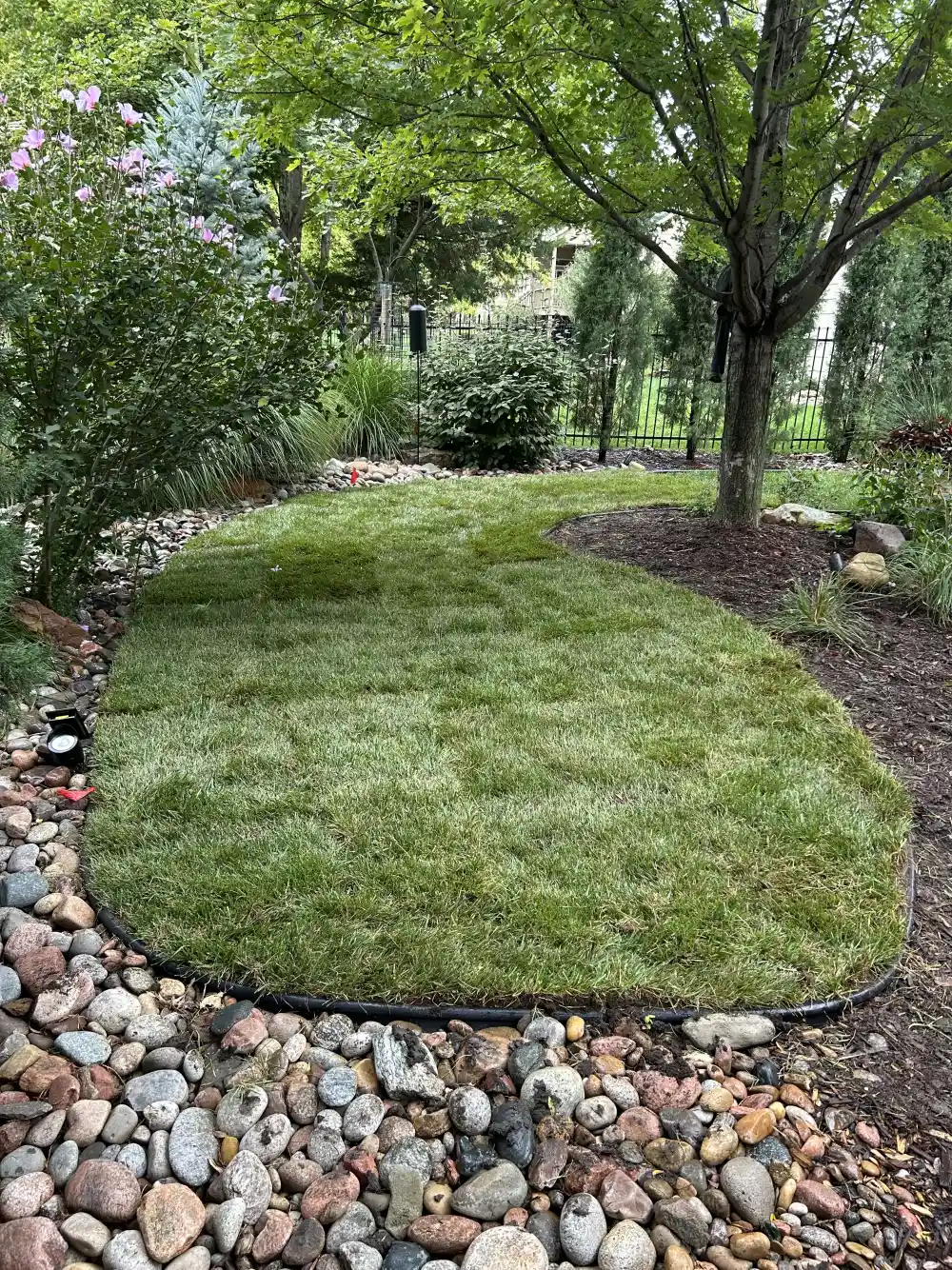
Sod Installation
When repair is not practical, sod can provide immediate surface coverage while the new turf roots and establishes.
Learn More →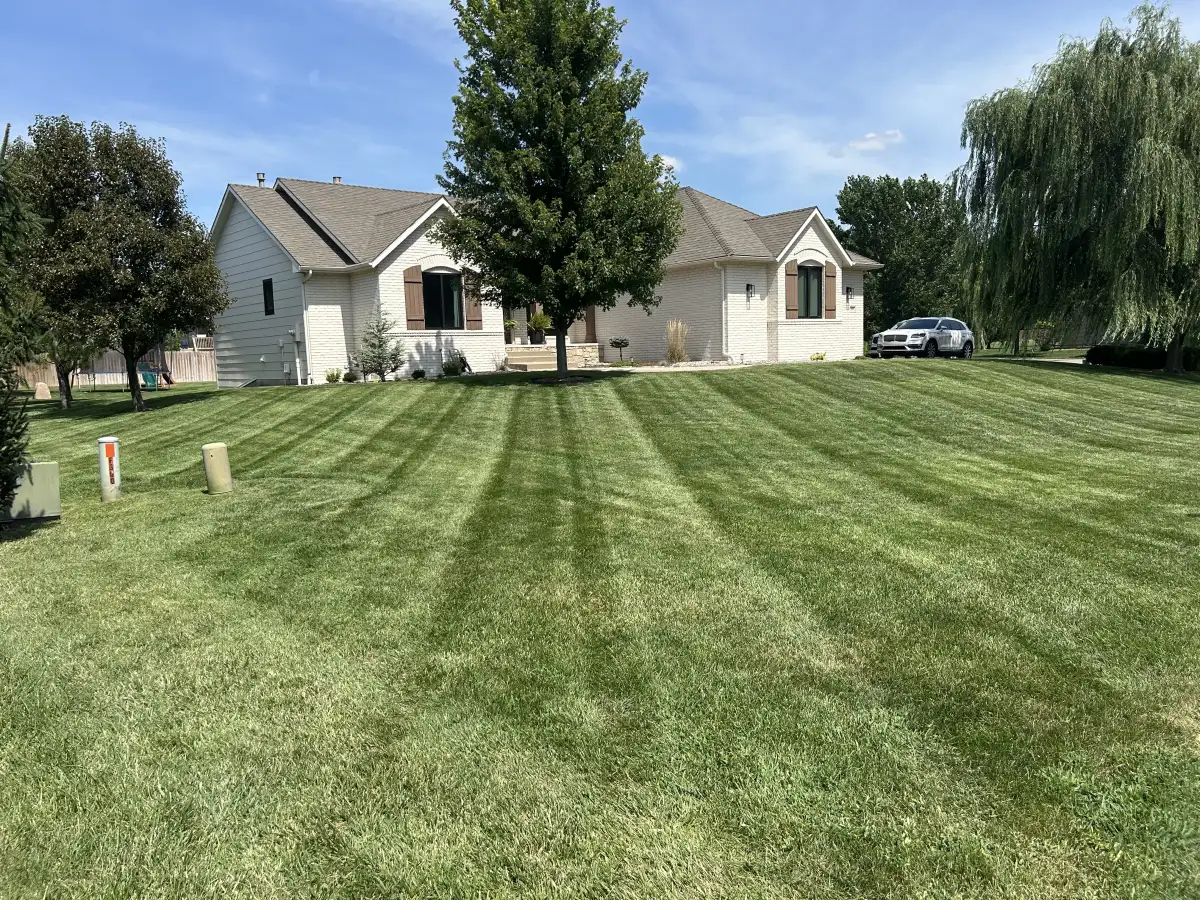
Lawn Mowing
Maintain your investment with weekly mowing at the correct height for your grass type.
Learn More →